282 Views
As of late, bank cards are helpful monetary instruments that should be used responsibly. Nevertheless, should you carry balances and solely make minimal funds, curiosity costs can shortly spiral uncontrolled. You’ve two most important choices for paying off your month-to-month bank card invoice – paying the assertion stability in full or making the minimal cost. A 3rd choice that increasingly more issuers present is paying your invoice in instalments or EMIs. Let’s evaluate these three approaches and see which makes probably the most monetary sense.
Advantages of Paying in Full
Ideally, you must try to pay your bank card assertion stability in full every month after you apply for bank card earlier than the due date. Doing so means that you can take pleasure in these advantages:
- Keep away from curiosity costs: Bank card rates of interest are excessive. So, paying in full means you by no means pay curiosity or finance costs to the monetary establishment. This protects you a lot of cash over time.
- Enhance credit score rating: Your credit score utilisation price (proportion of credit score used) is among the important components in your credit score rating. Preserving balances low helps enhance your rating. Paying in full retains your utilisation at 0%.
- Pay no charges: Many bank card issuers cost charges for late funds or exceeding your credit score restrict. Paying in full helps keep away from these penalties.
- Easier funds: You don’t have to trace a number of minimal funds and curiosity costs every month by paying in full. Your funds keep easier.
As you possibly can see, striving to pay your bank card balances off in full every month has many benefits and needs to be your final objective. However what if that isn’t doable for one month? You continue to have choices.
The Drawbacks of Minimal Funds
Paying the minimal is best than paying late. Nevertheless, minimal bank card invoice funds have important monetary drawbacks, together with:
- Excessive-interest costs: Once you carry a stability, curiosity is charged in your common each day stability till paid in full. Minimal funds stretch out the compensation interval, growing whole curiosity prices.
- Small proportion of stability: Minimal funds are sometimes 2% to three% of your whole stability. When your stability is massive, minimal funds barely dent what you owe.
- Lengthy compensation timeframe: Making minimal funds can take years to repay a big stability, and the debt can grasp over your head for a really very long time.
The “Center Floor” of EMIs
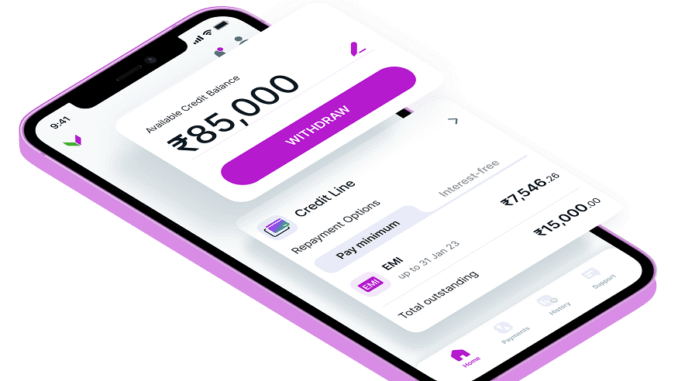
Some bank card corporations now supply cardholders the choice to pay bigger purchases or balances in instalments over a hard and fast timeframe, or EMIs. An curiosity cost is usually utilized, however it’s decrease than the conventional bank card rate of interest.
Paying your invoice in EMIs can supply some advantages in comparison with minimal funds, together with:
- Decrease rate of interest than the conventional bank card price
- Fastened month-to-month cost quantity by the tip of the EMI time period
- Disciplined compensation construction to repay the stability by the tip date
- It could be a extra reasonably priced month-to-month cost than paying in full
Probably the most important benefit of EMIs is that they power you to repay the stability by a hard and fast date, in comparison with open-ended minimal funds. Nevertheless, curiosity costs are nonetheless incurred, and paying solely the minimal every month remains to be not the perfect monetary path over the long run.
Conclusion
The very first thing you must do when paying your bank card invoice is to pay the assertion stability, which prevents collectors from charging curiosity. EMIs create a particular cost system that replaces open-ended minimal funds whereas providing decrease rates of interest however serves clients who can’t pay their whole assertion stability. Individuals ought to deal with their month-to-month assertion stability as their long-term monetary objective, though minimal quantity funds supply a brief answer.